
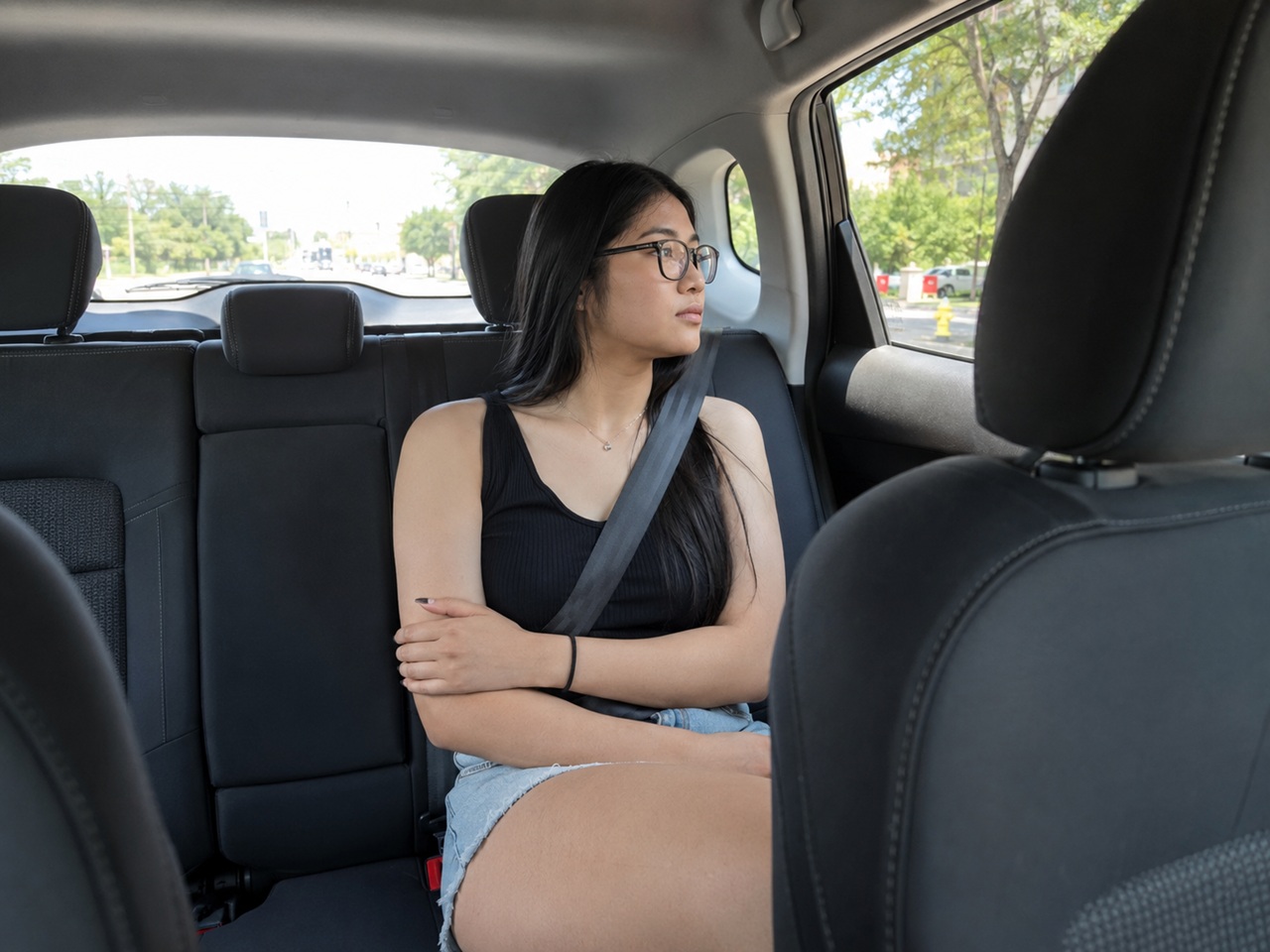
Rideshare Insurance Changes The Moment The Uber Or Lyft App Turns On
Rideshare accidents involve an insurance question many people don’t think about until they’re hurt in an Uber or Lyft crash: which policy pays?
In Indiana, the answer often depends on what the driver’s app was doing at the exact moment of the collision. Was the app off? Was the driver logged in and waiting for a request? Had the driver already accepted a ride? Those details can dramatically change the insurance coverage available to an injured rider, another driver, a pedestrian, or a passenger in another vehicle.
Under Indiana Code 8-2.1-19.1-8, rideshare insurance requirements shift based on whether a transportation network company driver is logged on to the digital network or engaged in a prearranged ride. At Glaser & Ebbs, our Indiana Uber accident attorneys know how to investigate these coverage questions and push back when insurance companies try to avoid responsibility.
Indiana Rideshare Claims Usually Turn On Three Coverage Periods
Indiana’s rideshare law focuses on two active app periods, but injury claims are often explained in three practical coverage periods:
- App Off: The driver is not logged in to the rideshare platform. The rideshare company usually doesn’t have an active insurance obligation for that trip.
- App On, No Ride Accepted: The driver is logged in and available for requests, but hasn’t accepted a ride yet.
- Ride Accepted Through Drop-Off: The driver has accepted a ride request, is traveling to pick up the passenger, is transporting the passenger, or hasn’t yet completed the drop-off.
That timeline matters because it can determine which insurer handles the claim, how much coverage is available, and whether more than one policy may need to be pursued.
When The App Is Off, The Driver’s Personal Coverage Usually Comes First
When a rideshare driver’s app is off, Indiana generally treats that driver like any other motorist. The Uber or Lyft insurance layer usually isn’t active because the driver isn’t logged in to the platform and isn’t available for rides.
That means the driver’s personal auto insurance may be the first place to look. But that can create a serious problem if the driver only carries Indiana’s minimum coverage. The Indiana BMV says the state’s minimum liability requirement is 25/50/25, meaning $25,000 for bodily injury or death to one person, $50,000 for bodily injury or death to two or more people in one accident, and $25,000 for property damage.
Those limits may not come close to covering the costs of a serious crash. If the rideshare app was truly off, the injured victim may need to look closely at every available source of recovery, including the at-fault driver’s coverage, the victim’s own uninsured or underinsured motorist coverage, and any other responsible party.
App On, No Ride Accepted Creates A Lower Rideshare Coverage Layer
The coverage picture changes once the driver logs in and starts waiting for a ride request. During this period, the driver is connected to the rideshare platform, but no passenger has been accepted yet.
For this period, Indiana Code 8-2.1-19.1-8 currently requires primary liability coverage of at least:
- $50,000 per person for death or bodily injury
- $100,000 per incident for death or bodily injury
- $50,000 per incident for property damage after June 30, 2024
That coverage can come from the driver, the transportation network company, or a combination of both. But these limits are much lower than the $1 million coverage that applies once a ride is accepted. A serious injury can exceed $50,000 quickly, especially when emergency treatment, surgery, hospitalization, lost income, and long-term care are involved.
The $1 Million Coverage Period Starts Once A Ride Is Accepted
The largest rideshare insurance layer applies once the driver is engaged in a prearranged ride. Indiana law defines a prearranged ride as beginning when the driver accepts the rider’s request through the digital network, continuing while the driver transports the rider, and ending when the last rider to request the ride leaves the vehicle.
During that period, Indiana Code 8-2.1-19.1-8 requires at least $1 million in primary liability coverage per incident for death, bodily injury, and property damage combined. That coverage may be provided by the driver’s policy, the rideshare company’s policy, or a combination of policies.
This is why the app status matters so much. A crash that happens seconds before ride acceptance may involve far less coverage than a crash that happens seconds after acceptance. Insurance companies know that, and they may dispute the timeline if it helps them reduce exposure.
Personal Auto Policies May Exclude Rideshare Driving
Another coverage problem comes from personal auto policy exclusions. Indiana Code 8-2.1-19.1-10 allows personal auto insurers to exclude coverage for losses that happen while a driver is logged on to a transportation network company’s digital network or engaged in a prearranged ride.
That means a driver may assume their personal policy covers the crash, only to find out the policy excludes rideshare activity. Indiana law also says the rideshare company’s insurance must provide the required coverage from the first dollar of a claim if the driver’s insurance lapses or doesn’t provide the required coverage.
This is where insurance companies can make an already stressful crash even harder. One insurer may blame another. A personal carrier may point to a rideshare exclusion. The rideshare carrier may argue the app period wasn’t what the injured person says it was. Meanwhile, the medical bills keep coming.
Evidence That Proves The App Period
Determining which insurance period applies often comes down to records that need to be preserved quickly. The most important evidence may not be visible at the crash scene.
- App Data and Trip Records: Uber and Lyft records may show when the driver logged in, accepted a ride, started the trip, and completed the drop-off.
- Driver and Passenger Statements: People inside the rideshare vehicle may know what the app showed at the moment of impact.
- The Indiana Accident Report: The investigating officer may document driver statements, passenger information, insurance details, and whether rideshare activity was reported.
- Phone Records: Timestamps, app activity, notifications, and call logs may help reconstruct the timeline.
- Dashcam or Surveillance Footage: Video may show whether the driver was picking up a passenger, transporting someone, or using the app immediately before the crash.
- Insurance Correspondence: Letters from the personal insurer, rideshare insurer, or claims administrator may reveal which carrier is accepting or denying coverage.
That evidence can disappear or become harder to obtain if no one requests it. That’s why a rideshare crash should be investigated quickly, especially when the insurance company’s version of events doesn’t match what happened.
More Than One Party May Be Responsible
Rideshare crashes don’t always involve a single at-fault party. The rideshare driver may have caused the collision. Another driver may have hit the rideshare vehicle. A dangerous road condition, defective vehicle part, or uninsured driver may also play a role.
Indiana uses a fault-based system for car accident claims, which means the at-fault party is generally responsible for paying for accident-related losses. In a rideshare crash, that can make the investigation more complicated because liability and insurance coverage are two different questions. One party may be at fault, while another policy may provide coverage.
When there’s a dispute over fault, coverage, or available insurance, it may be necessary to file a car accident lawsuit in Indiana to protect the injured person’s rights and force the responsible parties to answer for what happened.
What Compensation Can Injured Rideshare Victims Recover?
An injured Uber or Lyft accident victim may be entitled to recover compensation for the full impact of the crash. The value of the claim depends on the injuries, the insurance period, available policy limits, fault, medical evidence, and long-term losses.
Compensation may include:
- Medical Expenses: Emergency care, hospital bills, surgery, physical therapy, medication, follow-up care, and future treatment.
- Lost Income: Wages missed during recovery and reduced earning capacity if the injury affects future work.
- Property Damage: The cost of repairing or replacing a damaged vehicle or other personal property.
- Pain and Suffering: Compensation for physical pain, emotional distress, and the disruption caused by the crash.
- Long-Term Losses: Serious injuries may affect work, independence, mobility, family life, and future medical needs.
A quick settlement offer may not reflect the full value of the claim, especially if the insurance company hasn’t acknowledged the correct rideshare period or all available coverage.
Steps To Take After An Indiana Uber Or Lyft Crash
After a rideshare crash, the first priority is medical care. But once everyone is safe, the steps you take can help protect the claim.
- Call 911: Make sure the crash is reported and emergency responders come to the scene.
- Screenshot The App: If you were a rider, save the trip screen, driver information, route, receipt, pickup time, and drop-off details.
- Get Driver and Insurance Information: Ask for the rideshare driver’s personal insurance information and any rideshare insurance details available.
- Identify Passengers and Witnesses: Get names and contact information before people leave the scene.
- Photograph Everything: Capture vehicle damage, license plates, rideshare decals, road conditions, injuries, and the crash location.
You should also be careful with recorded statements. A rideshare insurer, personal auto insurer, or third-party claims administrator may ask questions designed to narrow the coverage period or shift fault. Don’t assume they’re only trying to help.
How An Indiana Uber Accident Lawyer Can Help
Figuring out which insurance period applies to your Indiana rideshare accident can be nearly impossible to sort out on your own. The app data, driver status, insurance exclusions, policy limits, and fault issues all matter.
Our Indiana Uber accident attorneys at Glaser & Ebbs have more than 100 years of combined legal experience standing up for injury victims. We know how to investigate rideshare crashes, identify which period applied, preserve app and trip data, deal with insurance companies, and demand the money our clients deserve.
If you were hurt in a rideshare accident in Fort Wayne, Indianapolis, or anywhere else in Indiana, contact us to schedule your free consultation. We can answer your questions, get to work on the insurance issues, and help you understand what your case may be worth.
"When my wife had an accident, she went to this firm within the week. They helped immediately, which secured evidence that helped win the case. The lawyer we had is one of the partners. They took a personal, close interest in my wife and her welfare throughout the process. We would use this firm again." - Michael H., ⭐⭐⭐⭐⭐